
As urban development, commercial operations and outdoor projects create growing demand for temporary and standby power, diesel generators are being used in an increasingly diverse range of environments. Conventional generator sets can produce noticeable engine, exhaust and cooling fan noise during operation. In locations where noise control is important, low-noise diesel generators provide an alternative by combining reliable power generation with acoustic enclosure technology, sound-absorbing materials and optimized ventilation systems.
Construction sites are among the common applications for low-noise diesel generators. Urban road projects, commercial developments and residential construction sites may not always have access to a reliable utility connection, creating a need for temporary electricity for lighting, power tools, pumps and other equipment. A low-noise generator can help reduce the acoustic impact of temporary power equipment on the surrounding area while supporting normal construction activities.
Commercial facilities can also benefit from quiet standby power solutions. Hotels, shopping centers, office buildings and restaurants rely on electricity for lighting, security systems, communications and other essential services. When utility power is interrupted, a diesel generator can provide backup electricity for designated loads. A low-noise enclosure can help limit the impact of generator operation on customers, employees and nearby occupants.
Hospitals and telecommunications facilities may also use low-noise diesel generators as part of their backup power infrastructure. These generators can provide electricity to designated equipment when the utility supply is disrupted, while acoustic treatment helps control operating noise. Actual generator selection should be based on the required load, installation conditions and applicable technical requirements.
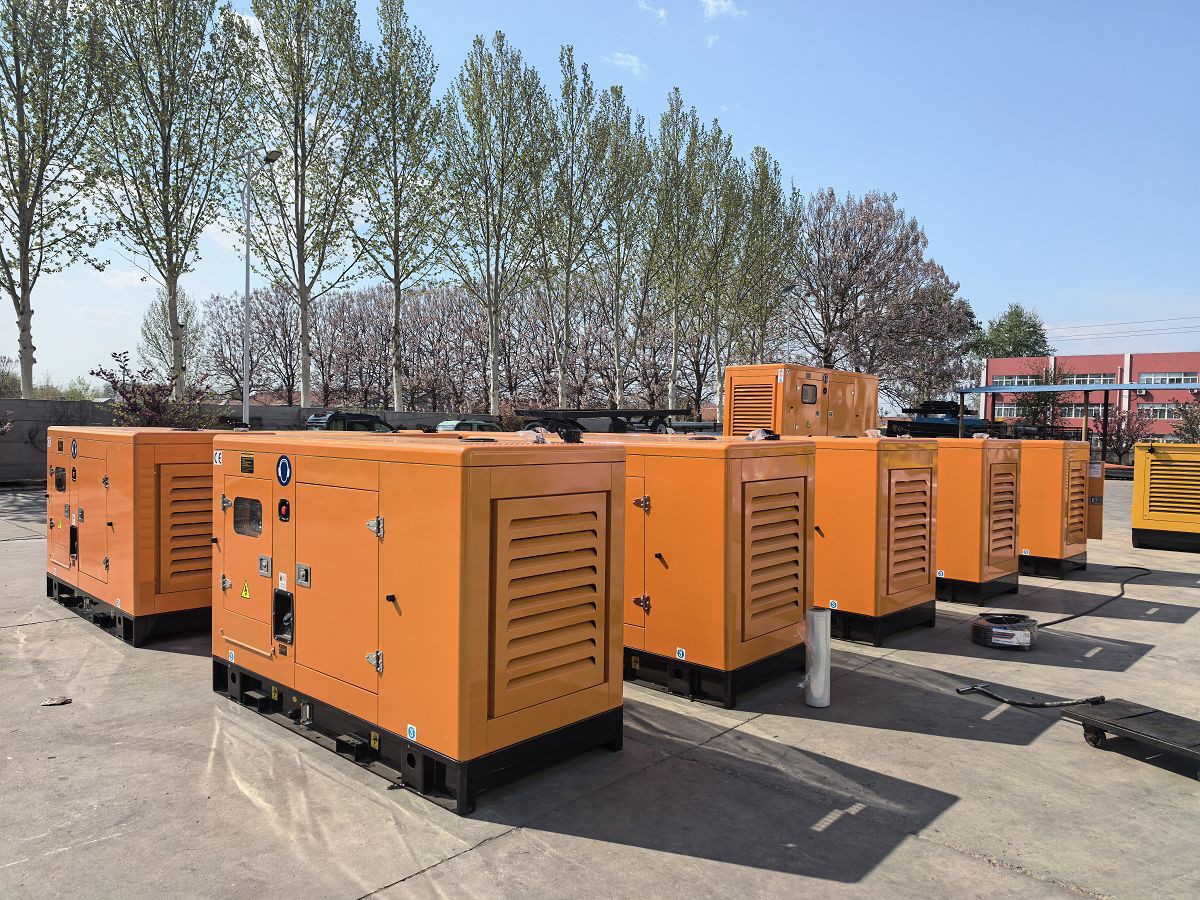
Outdoor events represent another important application. Exhibitions, sporting events, performances, camping activities and temporary installations often require independent power for lighting, audio equipment and temporary facilities. Compared with conventional open-frame generators, low-noise models can be better suited to events where maintaining a controlled sound environment is an important consideration.
Noise control can also be relevant when generators are installed near residential buildings, schools or other densely populated areas. Selecting an appropriately designed low-noise generator and combining it with proper positioning, ventilation and exhaust arrangements can help reduce the equipment's impact on nearby occupants while maintaining the required power supply.
Low-noise diesel generators can also support remote locations, agricultural facilities, mining operations and field projects where reliable grid power may be limited or unavailable. In these environments, the generator can serve as an independent power source or as backup equipment for essential electrical loads.
Overall, low-noise diesel generators are adaptable to a wide range of applications where both reliable electricity and controlled operating noise are important considerations. When selecting a generator, users should evaluate the required power capacity, operating duration, noise performance, environmental conditions and maintenance requirements to ensure that the equipment is properly matched to the intended application.