
As hospitals, data centers, commercial buildings, telecommunications facilities and industrial operations place increasing importance on uninterrupted power, diesel generators equipped with automatic transfer switches (ATS) are widely used in standby power systems. Unlike a conventional generator set, an ATS-equipped system must not only provide stable electrical output but also detect utility power failure, start the generator and transfer the load automatically. Comprehensive performance testing is therefore essential for verifying the reliability of the complete backup power system.
Testing begins with an inspection of the generator and ATS installation. Technicians should check the generator set, control panel, automatic transfer switch, cables and grounding connections to ensure that all components are properly installed. Communication and control signals between the generator and ATS should also be verified. The fuel, lubrication and cooling systems should be inspected to confirm that the engine is ready for reliable startup.
Starting performance is an important part of the test. When a simulated utility failure or abnormal voltage condition is introduced, the ATS should send a start command to the generator controller according to the configured control logic. Technicians can then observe the engine startup sequence and record the response time. Once the generator reaches the required voltage and frequency, the ATS should transfer the electrical load from the utility source to the generator supply.
Automatic transfer is a central function of the system. During testing, conditions such as utility power failure or undervoltage can be simulated to determine whether the ATS correctly detects the abnormal source condition and initiates the transfer sequence. Voltage, frequency and load behavior should be monitored throughout the process to verify that the transfer operates as configured.
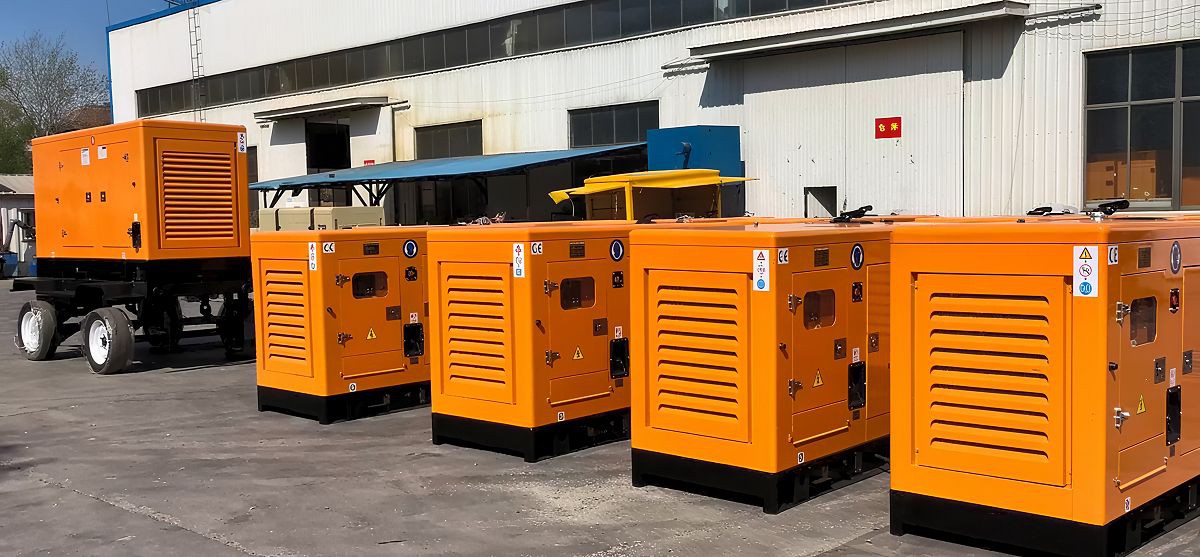
Once the generator is supplying the load, its electrical and mechanical performance should be evaluated. Key parameters include output voltage, frequency, current and power, together with engine operating conditions such as oil pressure and coolant temperature. For critical loads, technicians should pay particular attention to generator stability after the load is transferred and confirm that the equipment remains within its rated operating limits.
The automatic retransfer function should also be tested after utility power is restored. Once the utility source has returned and remained within the configured limits, the ATS should transfer the load back to the utility supply according to the programmed sequence. After the generator is unloaded, the engine may continue running for a defined cooldown period before shutting down automatically, depending on the control configuration.
Alarm and protection functions should also be verified. Depending on the system, testing may include overload protection, abnormal voltage alarms, engine fault indications and communication failure detection. All tests should be performed in accordance with the manufacturer's instructions and applicable technical requirements, with appropriate precautions taken before simulating electrical faults or other abnormal conditions.
Overall, performance testing of a diesel generator equipped with an automatic transfer switch covers more than the generator itself. It evaluates utility monitoring, automatic engine starting, load transfer and retransfer functions as an integrated standby power sequence. A systematic testing program can help verify coordination between the generator and ATS and provide a sound technical basis for reliable backup power in facilities where continuity of electrical service is important.