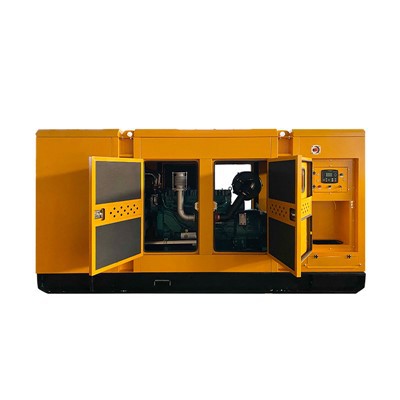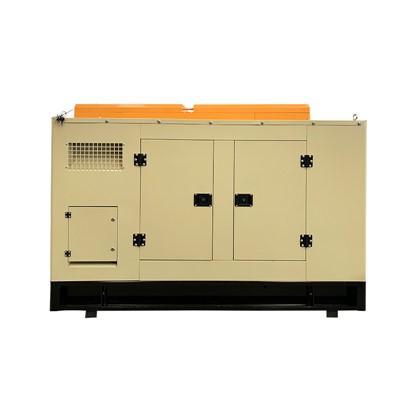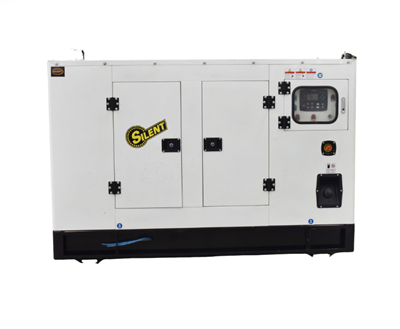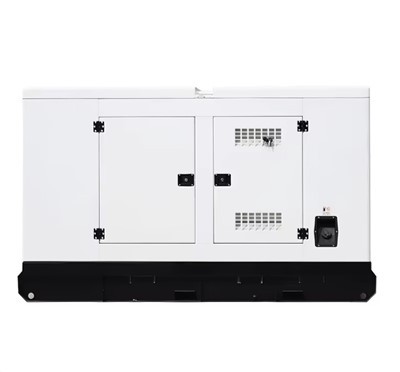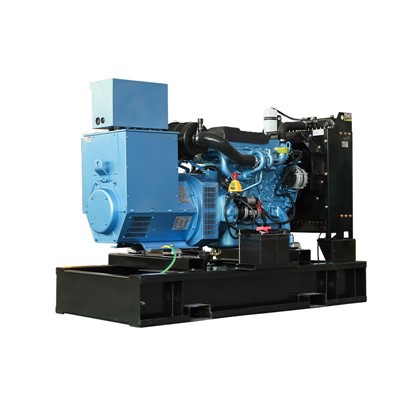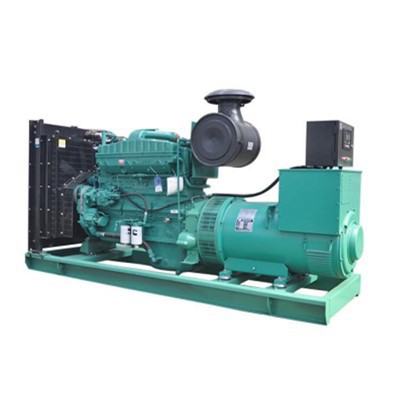
As a supplier of Silent Marine Generators, I understand the importance of optimizing the performance of these crucial pieces of equipment. In the marine industry, a reliable and efficient generator is essential for powering various systems on board, from navigation equipment to lighting and appliances. A silent marine generator, in particular, offers the added benefit of reducing noise pollution, which is especially important in areas where noise restrictions apply or for a more comfortable boating experience. In this blog post, I will share some key strategies and tips on how to optimize the performance of a silent marine generator.
Regular Maintenance
Regular maintenance is the cornerstone of ensuring optimal performance and longevity of a silent marine generator. Just like any other mechanical device, a generator requires routine checks and servicing to keep it running smoothly. Here are some essential maintenance tasks:
- Oil and Filter Changes: Regularly changing the oil and filters is crucial for maintaining the engine's health. Over time, oil can become contaminated with dirt, debris, and combustion by - products, which can reduce its lubricating properties and cause excessive wear on engine components. Follow the manufacturer's recommendations for oil change intervals, typically every 100 - 200 operating hours.
- Cooling System Inspection: The cooling system is responsible for keeping the generator engine at an optimal operating temperature. Check the coolant level regularly and inspect the hoses, radiator, and water pump for any signs of leaks or damage. A malfunctioning cooling system can lead to overheating, which can cause serious engine damage.
- Fuel System Maintenance: The fuel system is another critical component of the generator. Ensure that the fuel tank is clean and free of water and debris. Replace the fuel filters at the recommended intervals to prevent clogs and ensure a consistent fuel supply to the engine. Additionally, use high - quality fuel to minimize the risk of engine problems.
- Battery Maintenance: The battery is essential for starting the generator. Check the battery terminals for corrosion and clean them if necessary. Ensure that the battery is fully charged and in good condition. Consider using a battery charger or maintainer to keep the battery at an optimal charge level, especially during periods of inactivity.
Proper Installation
Proper installation is key to the optimal performance of a silent marine generator. Here are some important considerations during the installation process:
- Location: Choose a suitable location for the generator on the boat. It should be well - ventilated to prevent overheating and allow for proper air circulation. Avoid installing the generator in areas prone to water splashing or flooding. Additionally, ensure that there is enough space around the generator for easy access for maintenance and servicing.
- Mounting: The generator should be securely mounted to prevent excessive vibration. Use vibration - isolating mounts to reduce the transfer of vibration to the boat structure, which can not only cause noise but also lead to damage over time.
- Exhaust System: The exhaust system should be properly installed to ensure the safe and efficient removal of exhaust gases. The exhaust outlet should be located in a position that prevents the exhaust fumes from entering the boat's living areas. Use high - quality exhaust hoses and fittings to prevent leaks.
Load Management
Proper load management is essential for optimizing the performance of a silent marine generator. Overloading the generator can cause it to run inefficiently, generate more heat, and increase fuel consumption. Here are some tips for load management:
- Calculate the Load: Before starting the generator, calculate the total electrical load that will be placed on it. This includes all the appliances, equipment, and systems that will be powered by the generator. Make sure that the generator's rated capacity is sufficient to handle the load.
- Prioritize Loads: Identify the essential loads on the boat and prioritize them. For example, navigation equipment and safety systems should be given priority over non - essential loads such as entertainment systems. This way, you can ensure that the most critical systems are always powered, even if the overall load is close to the generator's capacity.
- Avoid Peak Loads: Try to avoid starting multiple high - power appliances or equipment simultaneously, as this can cause a sudden surge in the electrical load. Instead, stagger the start - up of different devices to minimize the impact on the generator.
Noise Reduction
One of the main advantages of a silent marine generator is its ability to operate quietly. However, there are still some steps you can take to further reduce noise levels:
- Soundproofing: Consider adding additional soundproofing materials around the generator compartment. This can include acoustic insulation blankets, foam panels, or rubber gaskets. These materials can help absorb and dampen the noise generated by the generator.
- Exhaust Silencers: Install high - quality exhaust silencers to reduce the noise produced by the exhaust gases. Exhaust silencers are designed to muffle the sound waves and can significantly reduce the overall noise level of the generator.
- Generator Design: Modern silent marine generators are designed with noise reduction in mind. Look for generators with features such as insulated enclosures, low - noise engines, and vibration - dampening technology. These design elements can help minimize the noise output of the generator.
Monitoring and Troubleshooting
Regular monitoring of the generator's performance can help you detect and address potential issues early. Here are some ways to monitor the generator:
- Instrumentation: Most generators are equipped with instrumentation that provides information such as engine temperature, oil pressure, and electrical output. Regularly check these gauges to ensure that the generator is operating within the normal range.
- Performance Data Logging: Consider using a data logging system to record the generator's performance over time. This data can be used to identify trends and potential problems. For example, if you notice a gradual increase in fuel consumption or a decrease in electrical output, it could indicate a problem with the generator.
- Troubleshooting: If you encounter any problems with the generator, refer to the manufacturer's troubleshooting guide. Common problems can include starting issues, loss of power, or abnormal noise. In some cases, simple adjustments or repairs can be made on board. However, for more complex problems, it may be necessary to seek the assistance of a professional technician.
Upgrading and Retrofit
If your silent marine generator is an older model, you may consider upgrading or retrofitting it to improve its performance. Here are some possible upgrades:
- Engine Upgrades: Some generators can be upgraded with more efficient engines or components. For example, upgrading to a newer engine model with better fuel efficiency can reduce operating costs and improve overall performance.
- Control Systems: Upgrading the control system of the generator can provide more advanced features and better control over the generator's operation. For example, a modern control system may allow for remote monitoring and control, automatic load management, and fault diagnosis.
- Noise Reduction Upgrades: There are also aftermarket noise reduction kits available for some generator models. These kits can include additional soundproofing materials, improved exhaust silencers, or vibration - dampening components.
In conclusion, optimizing the performance of a silent marine generator requires a combination of regular maintenance, proper installation, load management, noise reduction, monitoring, and potentially upgrading. By following these strategies, you can ensure that your generator operates efficiently, reliably, and quietly, providing the power you need for a successful boating experience.
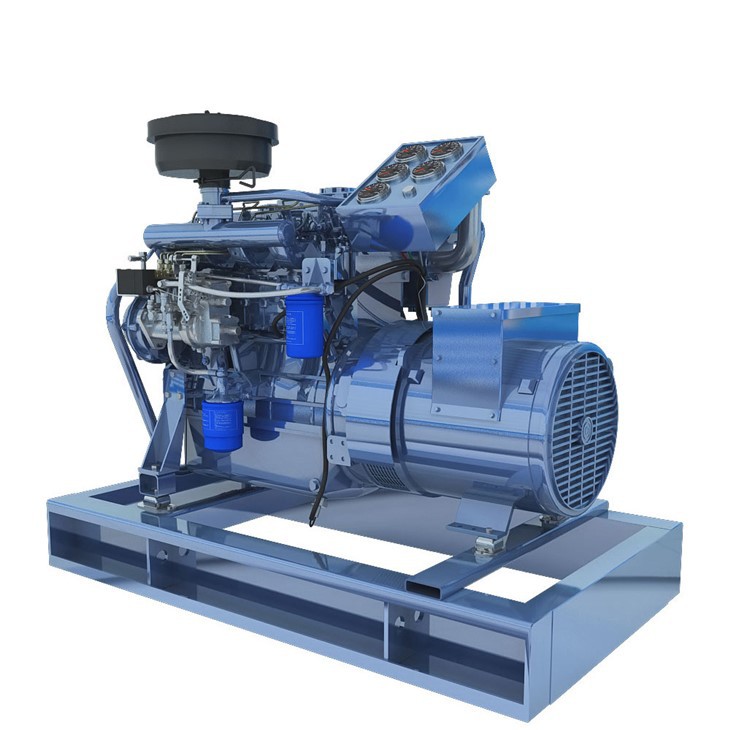
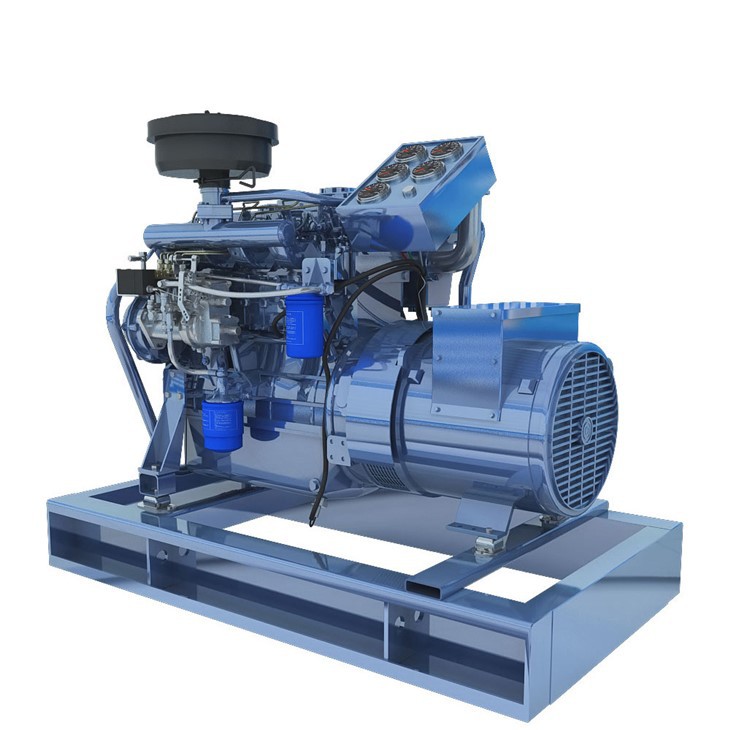
If you are interested in our Silent Marine Generator, Boat Diesel Generators, or Marine Diesel Generator, please feel free to contact us for more information and to discuss your specific requirements. We are committed to providing high - quality products and excellent customer service.
References
- Marine Generator Installation and Maintenance Manuals
- Industry Standards and Guidelines for Marine Generators
- Technical Publications on Marine Engine Performance and Efficiency