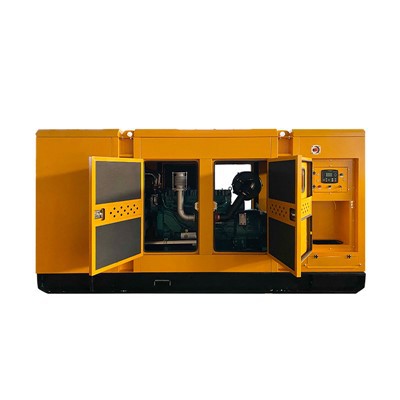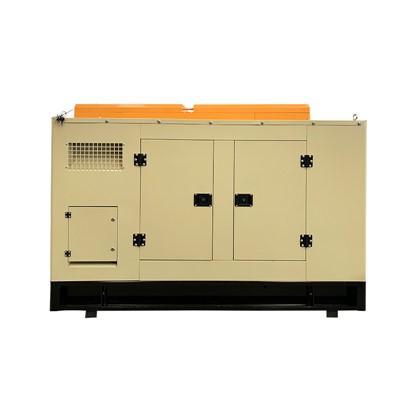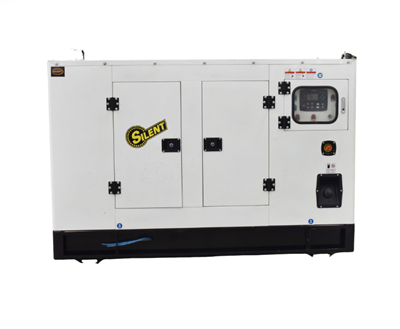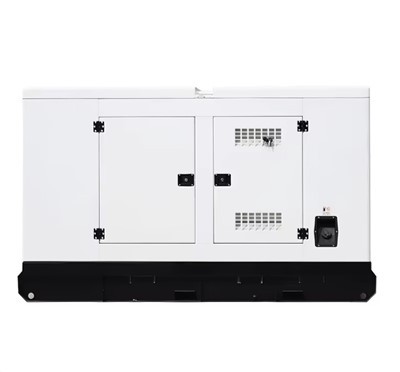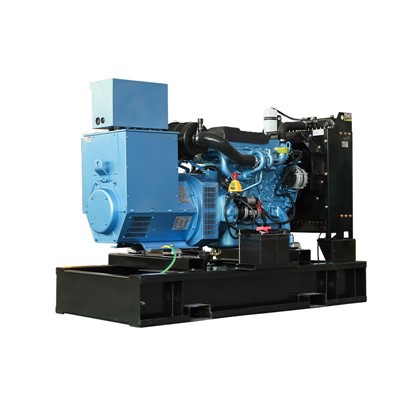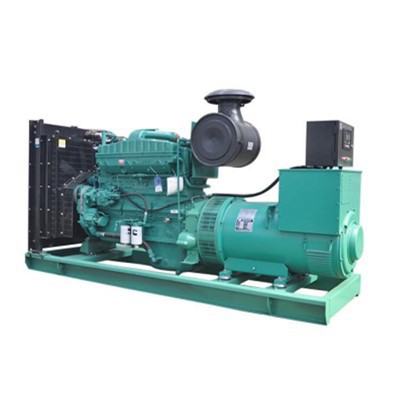
Transporting a generator set safely is a crucial task that requires careful planning and execution. As a generator sets supplier, I've seen firsthand the importance of getting this right. Whether you're moving a small Low Noise Portable Generator to a job site or a large Silent Power Generators for a big event, safety should always be your top priority. In this blog, I'll share some tips and best practices to help you transport your generator set without any issues.
Pre - transport Preparation
Before you even think about moving the generator, there are several steps you need to take. First off, make sure the generator is turned off and has cooled down completely. Running a hot generator during transport can be extremely dangerous. It could cause a fire or other serious damage.
Next, drain the fuel and oil if possible. Carrying a full tank of fuel and oil during transport is a major hazard. If the generator tips over or gets jostled, the fuel could spill, creating a fire risk. Some generators have drain plugs that make this process relatively easy. Just be sure to follow the manufacturer's instructions when draining.
Inspect the generator thoroughly. Look for any loose parts, damaged wires, or signs of wear and tear. Tighten any loose bolts and nuts, and replace any damaged components. This not only ensures the safety of the transport but also helps to prevent further damage to the generator.
You'll also need to gather the right equipment for the job. Depending on the size and weight of the generator, you might need a forklift, pallet jack, or a hoist. Make sure all the equipment is in good working condition and rated to handle the weight of the generator.
Packaging and Securing
Proper packaging is essential to protect the generator during transport. For smaller generators, you can use a sturdy cardboard box or a custom - made crate. Line the box or crate with foam padding or other shock - absorbing materials to prevent the generator from getting damaged by bumps and vibrations.
Larger generators often come with their own shipping frames or pallets. If yours does, make sure it's in good condition. If not, you may need to build a custom pallet or frame. Secure the generator to the pallet or frame using straps, chains, or bolts. The goal is to keep the generator as stable as possible so that it doesn't shift during transport.
When using straps or chains, make sure they're tightened properly. You don't want them to be too loose, as this could allow the generator to move, but you also don't want them to be so tight that they damage the generator. Check the tension regularly during the loading and securing process.
Loading the Generator
Loading the generator onto the transport vehicle is another critical step. Make sure the vehicle is parked on a level surface and is stable. If you're using a forklift or a hoist, have a trained operator handle the loading. They know how to lift the generator safely and place it on the vehicle without causing any damage.
When placing the generator on the vehicle, position it in the center as much as possible. This helps to distribute the weight evenly and reduces the risk of the vehicle tipping over. If you're transporting multiple generators, stack them carefully and secure them to each other to prevent them from shifting.
After loading, double - check all the straps and chains to make sure they're still tight. Also, check that the generator is sitting securely on the vehicle and won't move during transit.
During Transport
During transport, it's important to drive carefully. Avoid sudden stops, starts, and sharp turns. These can cause the generator to shift and potentially get damaged. If you're transporting the generator over a long distance, take regular breaks to check on the generator. Make sure the straps and chains are still tight and that the generator hasn't moved.
Keep an eye on the weather conditions. Extreme heat, cold, rain, or snow can all affect the generator. If it's going to be very hot, try to transport the generator during the cooler parts of the day. If it's raining or snowing, make sure the generator is covered with a waterproof tarp to prevent water damage.
Unloading and Final Checks
Once you've reached your destination, it's time to unload the generator. Follow the same safety procedures as you did when loading. Use the right equipment and have a trained operator handle the unloading.
After unloading, inspect the generator again. Look for any signs of damage that may have occurred during transport. If you find any issues, document them and contact the shipping company or the manufacturer as soon as possible.
Finally, before you start using the generator, refill the fuel and oil (if you drained them earlier) and perform a final check to make sure everything is in working order.
Conclusion
Transporting a generator set safely requires careful planning, the right equipment, and attention to detail. By following these tips, you can minimize the risk of damage to the generator and ensure a safe and successful transport.
If you're in the market for a new generator set, we offer a wide range of Silent Generators that are not only reliable but also easy to transport. Whether you need a small Low Noise Portable Generator for your home or a large Silent Power Generators for a commercial project, we've got you covered.
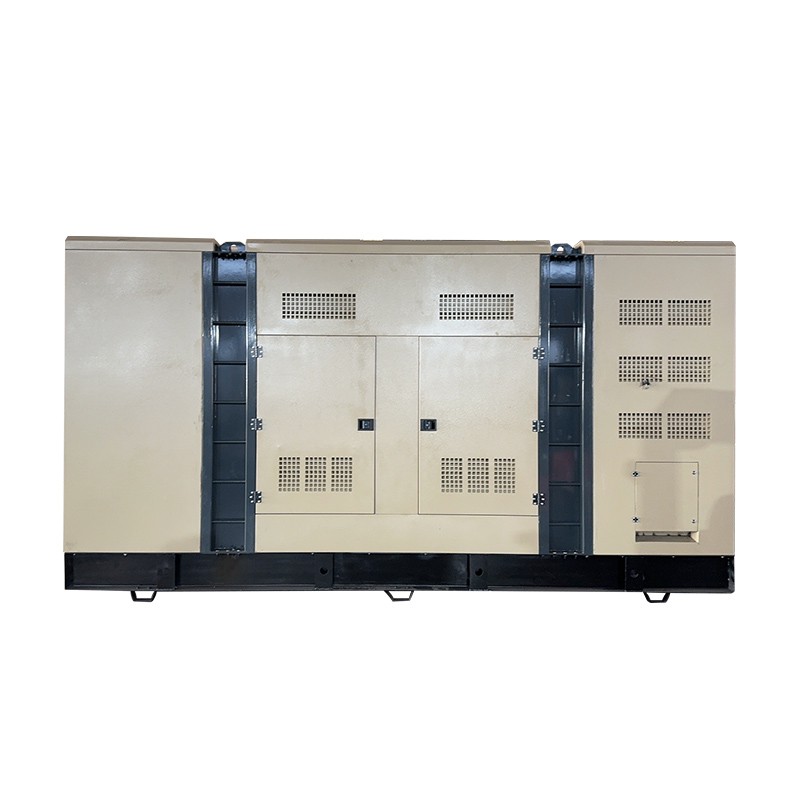
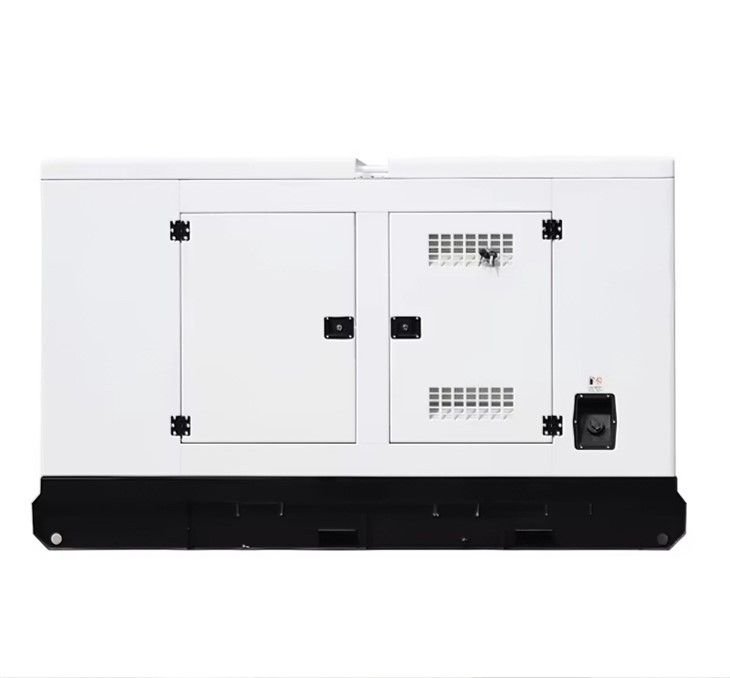
If you have any questions about our generator sets or need help with transport, don't hesitate to reach out. We're here to assist you every step of the way. Contact us to start a conversation about your generator needs and let's work together to find the perfect solution for you.
References
- Generator manufacturer's manuals
- Industry best practices for equipment transport