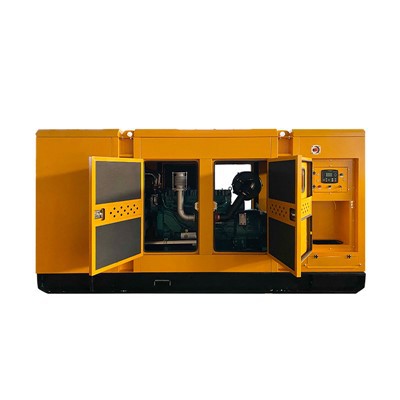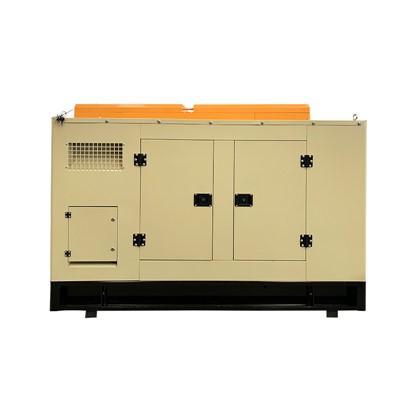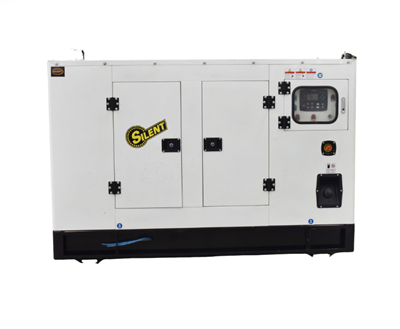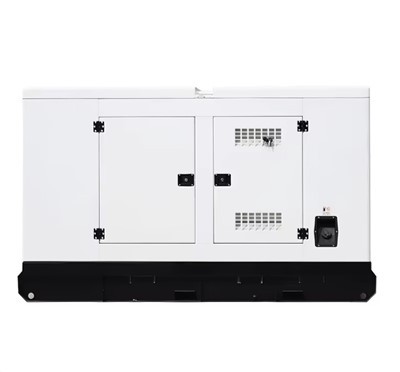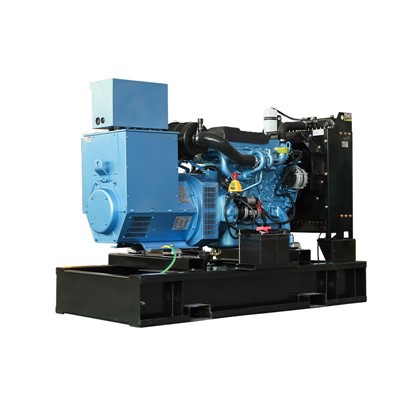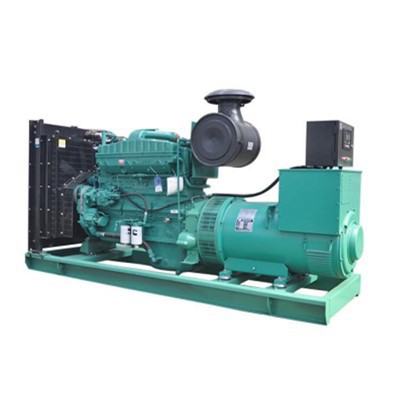
As a supplier of New Silent Generators, accurately measuring the noise of these generators is crucial. It not only helps us to provide products that meet the noise - standard requirements of different customers but also allows us to continuously improve our product design. In this blog, I will share the methods and considerations for measuring the noise of new silent generators.
Understanding the Basics of Noise Measurement
Before delving into the measurement process, it's essential to understand some basic concepts related to noise. Noise is typically measured in decibels (dB). The decibel scale is logarithmic, which means that a small increase in decibels represents a significant increase in the actual sound intensity. For example, an increase of 10 dB represents a ten - fold increase in sound intensity.
In the context of silent generators, the goal is to keep the noise level as low as possible. Different applications have different acceptable noise levels. For residential use, a generator might need to operate at a noise level below 60 dB to avoid disturbing the neighbors, while in industrial settings, slightly higher noise levels might be acceptable.
Selecting the Right Measuring Equipment
The first step in measuring the noise of a new silent generator is to choose the appropriate measuring equipment. A sound level meter is the most commonly used device for this purpose. When selecting a sound level meter, look for one that has a wide frequency range, as generator noise can cover a broad spectrum of frequencies.
The sound level meter should also have different weighting options. The most common weighting is the A - weighting (dB(A)), which approximates the way the human ear perceives sound. This is important because we are interested in how the generator noise will be experienced by people. Additionally, ensure that the sound level meter has a high level of accuracy and is calibrated regularly to obtain reliable measurements.
Setting Up the Measurement Environment
The measurement environment plays a significant role in obtaining accurate noise measurements. Ideally, the measurement should be conducted in an open - field environment, away from large reflective surfaces such as buildings, walls, or large machinery. This is because reflective surfaces can cause sound waves to bounce back and interfere with the direct sound from the generator, leading to inaccurate measurements.
If an open - field environment is not available, a semi - anechoic chamber can be used. A semi - anechoic chamber is designed to absorb most of the sound reflections, providing a more controlled environment for measurement. However, semi - anechoic chambers are often expensive and not always accessible.
When setting up the generator for measurement, place it on a flat and stable surface. Make sure that all the ventilation openings are unobstructed, as proper ventilation can affect the generator's performance and noise output.
Measuring the Noise
Once the equipment is selected and the environment is set up, it's time to start the measurement. First, power on the sound level meter and set it to the appropriate weighting (usually dB(A)). Place the microphone of the sound level meter at a specific distance from the generator. The most common measurement distance is 1 meter from the generator's surface, at a height of 1.5 meters above the ground. This distance and height are in line with many international standards for generator noise measurement.
Start the generator and let it run for a few minutes to reach a stable operating state. During this time, monitor the sound level meter readings. Take multiple readings over a period of time, for example, every 10 seconds for a total of 5 minutes. This will help to account for any fluctuations in the noise level due to changes in the generator's load or operating conditions.
Record the minimum, maximum, and average noise levels. The average noise level is often the most important value, as it gives an overall indication of the generator's noise performance.
Analyzing the Measurement Results
After obtaining the noise measurements, it's necessary to analyze the results. Compare the measured noise levels with the generator's specifications. If the measured noise levels are significantly higher than the specified levels, there might be an issue with the generator, such as a malfunctioning component or improper installation.
It's also important to consider the frequency distribution of the noise. Some frequencies might be more annoying to the human ear than others. For example, high - frequency noise can be particularly irritating. Analyzing the frequency spectrum can help us to identify the sources of high - frequency noise and take appropriate measures to reduce it.
Factors Affecting Generator Noise
There are several factors that can affect the noise output of a new silent generator. One of the main factors is the engine type. Diesel engines tend to be noisier than gasoline engines, but modern silent diesel generators are designed with advanced noise - reduction technologies.
The load on the generator also has an impact on the noise level. Generally, the higher the load, the higher the noise output. This is because the engine has to work harder to generate more power.
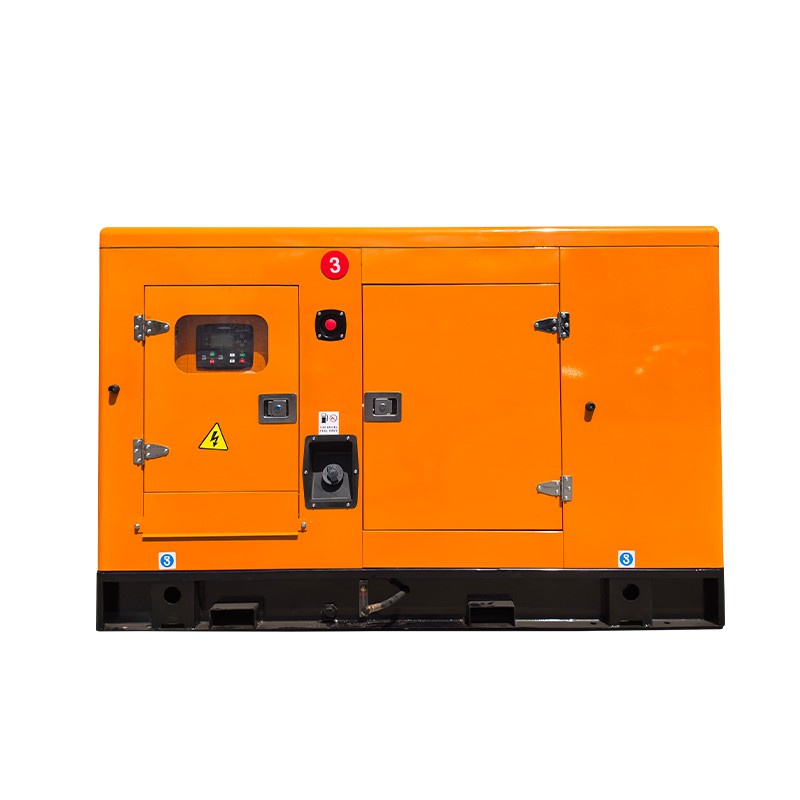
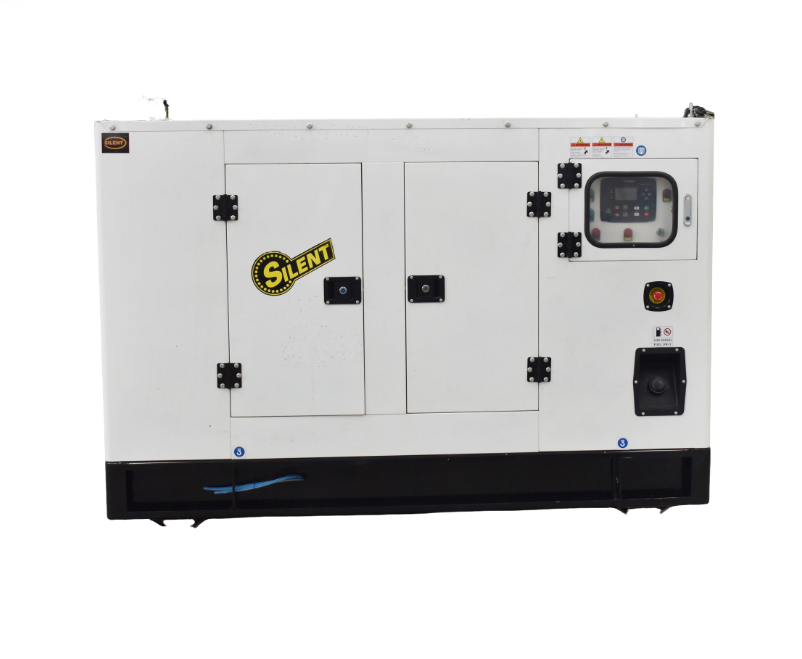
The design of the generator enclosure is another crucial factor. A well - designed enclosure can significantly reduce the noise radiated from the generator. It should be made of sound - absorbing materials and have proper ventilation to prevent overheating.
Improving Noise Performance
Based on the measurement results and analysis, we can take steps to improve the noise performance of our silent generators. If the noise levels are too high, we can consider modifying the generator enclosure. Adding more sound - absorbing materials or improving the enclosure's insulation can help to reduce the noise.
We can also optimize the engine's operating parameters. For example, adjusting the fuel injection timing or the ignition timing can sometimes reduce the engine noise.
In addition, regular maintenance of the generator is essential. A well - maintained generator is likely to operate more quietly. This includes changing the engine oil, air filters, and spark plugs (for gasoline engines) at the recommended intervals.
Conclusion
Measuring the noise of new silent generators is a complex but necessary process. By following the proper measurement methods, analyzing the results, and taking appropriate improvement measures, we can ensure that our generators meet the high - quality standards expected by our customers.
If you are interested in our Silent Gen Set, Silent Power Generators or Soundless Diesel Generator, and want to know more about their noise performance, please feel free to contact us for further discussion and potential procurement.
References
- Beranek, Leo L. Noise and Vibration Control. McGraw - Hill, 1971.
- Harris, Cyril M. Handbook of Noise Control. McGraw - Hill, 1991.
- International Electrotechnical Commission (IEC). IEC 60034 - 9:2007, Rotating electrical machines - Part 9: Noise limits.