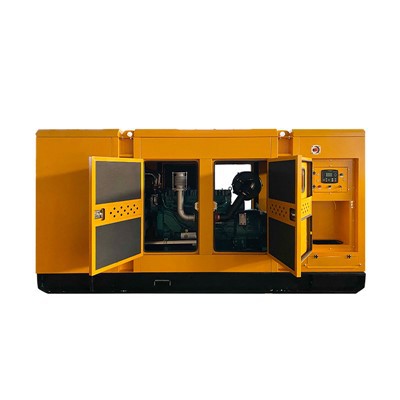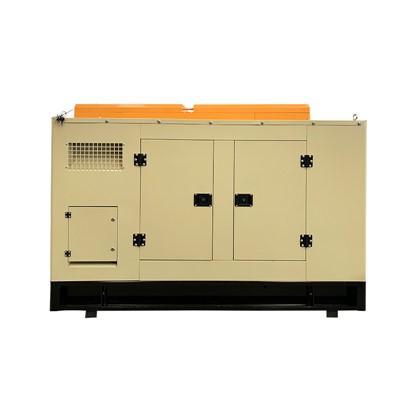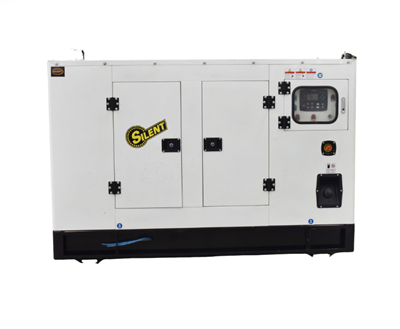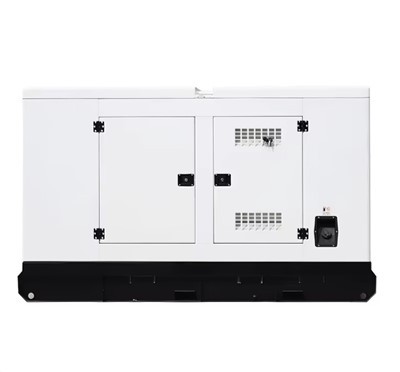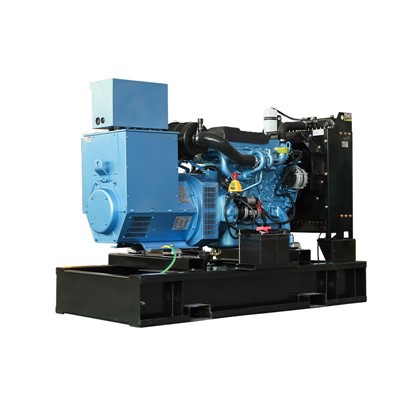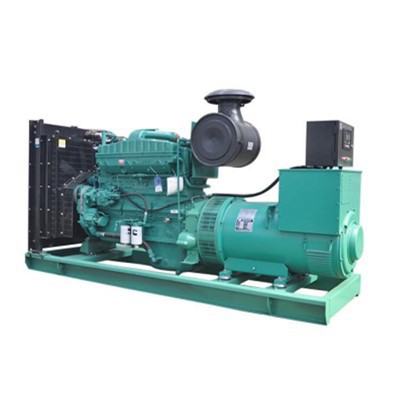
As a supplier of silent marine generators, I've had the privilege of witnessing firsthand the transformative impact these machines have on the marine industry. They offer a quiet and efficient power solution for boats, yachts, and other marine vessels, allowing users to enjoy a more peaceful and comfortable experience on the water. However, like any technology, silent marine generators come with their own set of limitations. In this blog post, I'll explore some of these limitations and discuss how they can affect the performance and usability of these generators.
1. Power Output Limitations
One of the primary limitations of silent marine generators is their power output. Compared to traditional marine generators, silent models often have a lower power capacity. This is because the design features that make them silent, such as soundproof enclosures and advanced mufflers, can also restrict the airflow and heat dissipation, which in turn limits the generator's ability to produce high levels of power.
For smaller boats and yachts with relatively low power requirements, a silent marine generator with a lower power output may be sufficient. However, for larger vessels or those with high-power appliances such as air conditioners, microwave ovens, and power tools, a higher-capacity generator may be necessary. In such cases, the limited power output of a silent marine generator can be a significant drawback.
2. Fuel Efficiency and Consumption
Another limitation of silent marine generators is their fuel efficiency. The additional insulation and noise-reducing features in these generators can increase their weight and complexity, which can lead to higher fuel consumption. Moreover, the need to maintain a low noise level may require the generator to operate at a lower efficiency point, further reducing its fuel economy.
For long-term use on the water, fuel efficiency is a crucial factor to consider. Higher fuel consumption not only increases the operating cost but also reduces the range and endurance of the vessel. Therefore, boat owners who rely on their generators for extended periods may find the fuel inefficiency of silent marine generators to be a significant limitation.
3. Maintenance and Service Requirements
Silent marine generators are more complex than traditional generators due to their advanced noise-reducing features. This complexity can make them more difficult to maintain and service. The soundproof enclosures and other components may need to be carefully inspected and maintained to ensure proper operation and to prevent noise leakage.
In addition, the specialized parts and components used in silent marine generators may be more expensive and harder to find than those for traditional generators. This can increase the cost and time required for maintenance and repairs. For boat owners who are not mechanically inclined or do not have easy access to specialized service providers, the maintenance and service requirements of silent marine generators can be a significant challenge.
4. Initial Cost
The initial cost of a silent marine generator is typically higher than that of a traditional generator. This is due to the additional technology and materials used to reduce noise. The soundproof enclosures, advanced mufflers, and other noise-reducing components add to the manufacturing cost, which is then passed on to the consumer.
For budget-conscious boat owners, the higher initial cost of a silent marine generator can be a deterrent. They may be more inclined to choose a traditional generator, even though it may be noisier, in order to save money upfront. However, it's important to consider the long-term benefits of a silent marine generator, such as a more comfortable boating experience and potentially lower maintenance costs, when making a purchasing decision.
5. Size and Space Requirements
Silent marine generators are often larger and bulkier than traditional generators due to the addition of soundproof enclosures and other noise-reducing features. This can make them more difficult to install on smaller boats or in tight spaces. Boat owners may need to make significant modifications to their vessels to accommodate a silent marine generator, which can be time-consuming and expensive.
Moreover, the larger size of silent marine generators can also affect the vessel's weight distribution and stability. This is particularly important for smaller boats, where even a small increase in weight can have a significant impact on performance. Therefore, boat owners need to carefully consider the size and space requirements of a silent marine generator before making a purchase.
6. Environmental Conditions
Silent marine generators may be more sensitive to environmental conditions than traditional generators. The soundproof enclosures and other components can restrict the airflow and ventilation, which can cause the generator to overheat in hot and humid conditions. In addition, the moisture and saltwater in the marine environment can corrode the generator's components, leading to premature failure.
Boat owners need to take extra precautions to protect their silent marine generators from the elements. This may include installing the generator in a well-ventilated area, using corrosion-resistant materials, and performing regular maintenance and inspections. Failure to do so can significantly reduce the lifespan and performance of the generator.
7. Noise Reduction Effectiveness
While silent marine generators are designed to reduce noise, they may not completely eliminate it. In some cases, the noise level may still be noticeable, especially in quiet environments or when the generator is operating at full load. The effectiveness of noise reduction can also vary depending on the design and quality of the generator.
Boat owners who have high expectations for a completely silent operation may be disappointed with the actual noise level of a silent marine generator. It's important to manage expectations and understand that while these generators can significantly reduce noise, they may not achieve absolute silence.
Conclusion
Despite these limitations, silent marine generators still offer many benefits, such as a more comfortable and peaceful boating experience. For many boat owners, the advantages outweigh the drawbacks. However, it's important to be aware of these limitations and to carefully consider them when choosing a generator for your vessel.
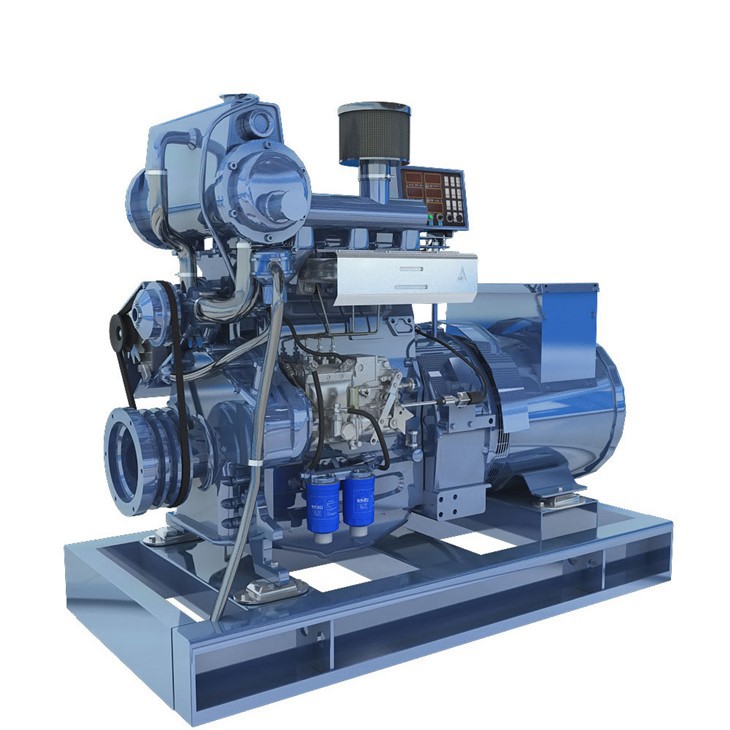
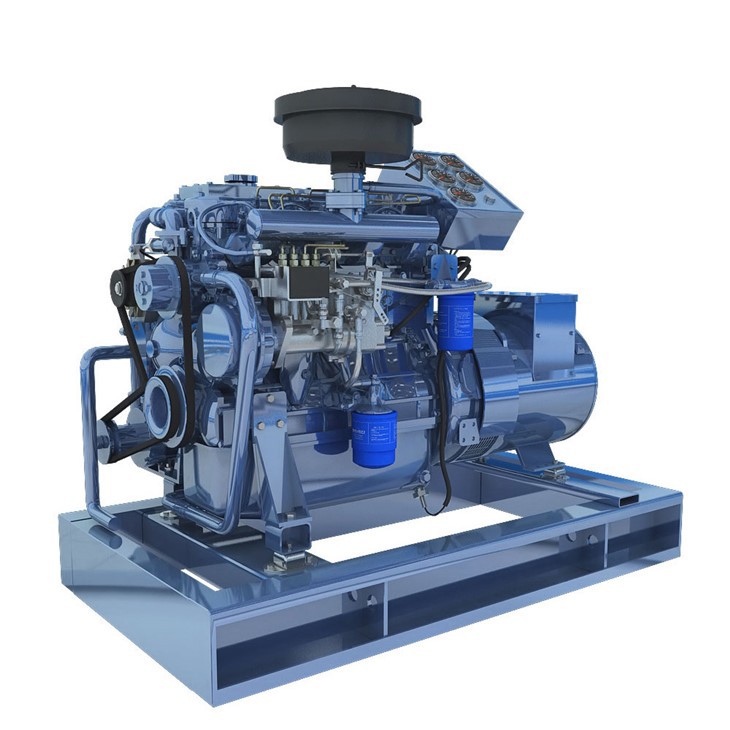
If you're in the market for a marine generator, I encourage you to explore our range of Boat Diesel Generators, Inboard Marine Generator, and Marine Diesel Generator. Our team of experts can help you select the right generator for your specific needs and requirements. Whether you're looking for a high-power generator for a large yacht or a compact and quiet generator for a small boat, we have the solution for you.
If you have any questions or would like to discuss your options further, please don't hesitate to contact us. We're here to help you make an informed decision and ensure that you get the most out of your marine generator.
References
- Marine Generator Handbook, various authors
- Journal of Marine Engineering, multiple issues
- Manufacturer's specifications and technical documents for silent marine generators