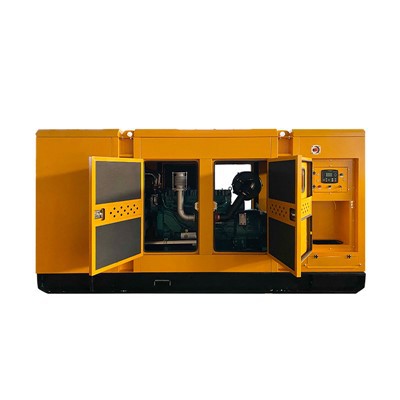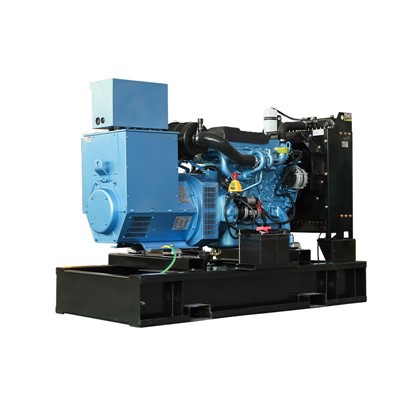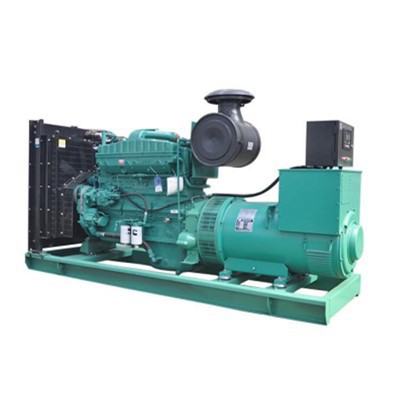
A diesel fuel generator is a crucial piece of equipment for many industries, providing reliable power during outages or in off - grid locations. One of the most critical components of a diesel fuel generator is its cooling system. A malfunctioning cooling system can lead to overheating, which in turn can cause significant damage to the generator and even result in a complete breakdown. As a supplier of diesel fuel generators, I have encountered various signs of cooling system malfunctions over the years. In this blog, I will share some of the common signs that indicate a problem with the cooling system of a diesel fuel generator.
Elevated Temperature Readings
One of the most obvious signs of a malfunctioning cooling system is elevated temperature readings. Diesel generators are equipped with temperature sensors that monitor the temperature of the engine coolant. If the temperature gauge shows that the coolant temperature is higher than the normal operating range, it is a clear indication that the cooling system is not functioning properly.
There could be several reasons for this. A clogged radiator is a common culprit. Over time, dirt, debris, and rust can accumulate in the radiator, blocking the flow of coolant. This restricts the radiator's ability to dissipate heat, causing the engine to overheat. Another possible cause is a malfunctioning water pump. The water pump is responsible for circulating the coolant throughout the engine and radiator. If the water pump fails or is not working efficiently, the coolant will not flow properly, leading to increased temperatures.
Coolant Leaks
Coolant leaks are another tell - tale sign of a cooling system problem. You may notice puddles of coolant under the generator or see signs of coolant dripping from the radiator, hoses, or connections. Coolant leaks can occur due to a variety of reasons, such as cracked hoses, loose connections, or a damaged radiator.
Cracked hoses are often the result of wear and tear over time. The constant exposure to heat and pressure can cause the hoses to become brittle and develop cracks. Loose connections can also lead to coolant leaks. If the clamps that hold the hoses in place are not tightened properly, coolant can seep out. A damaged radiator, on the other hand, can be caused by physical damage, such as a collision or a puncture.
Low Coolant Level
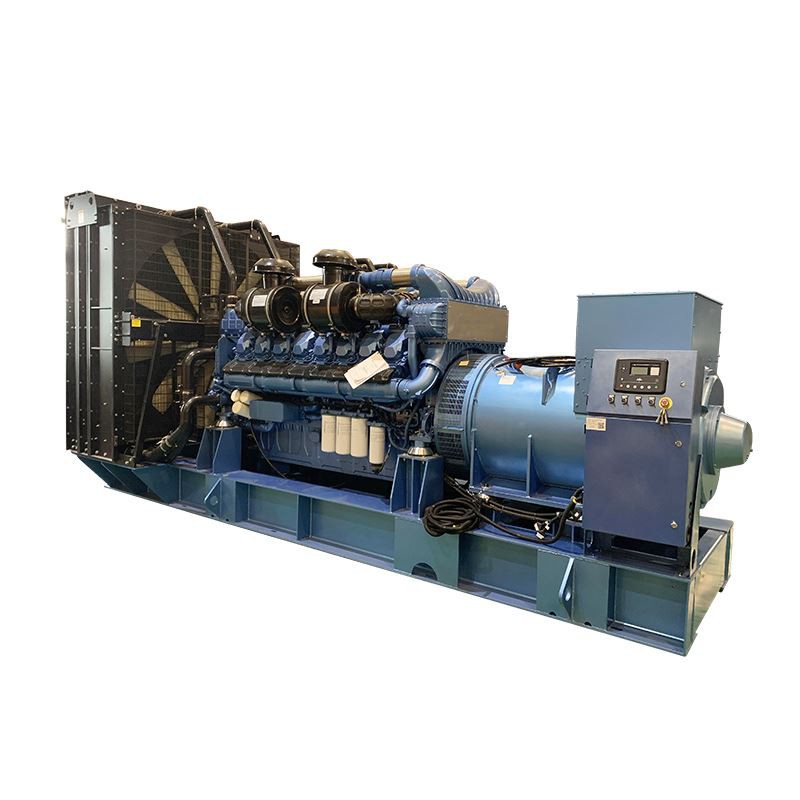
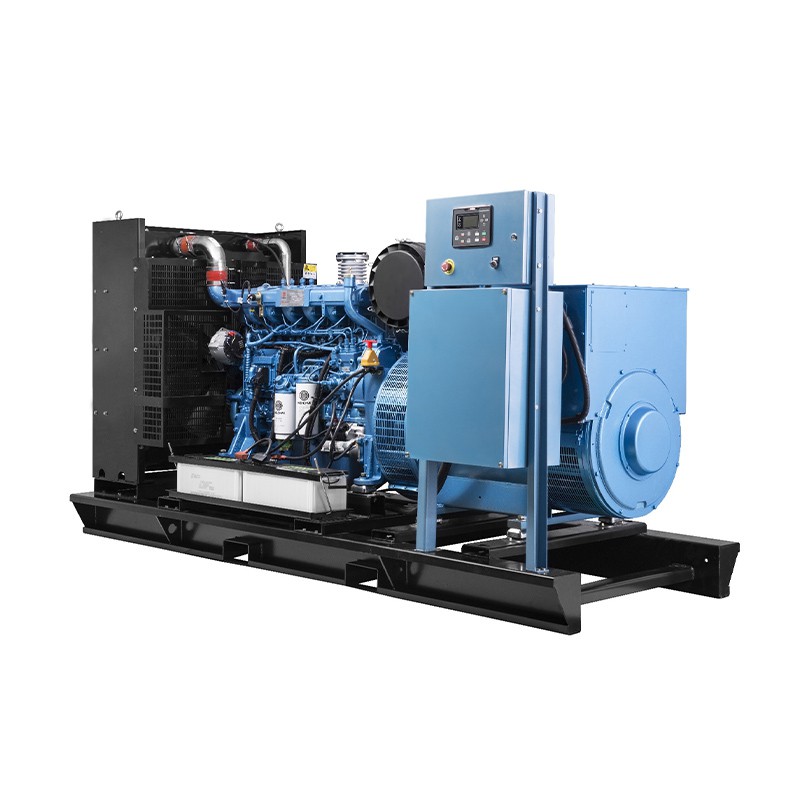
A low coolant level is often associated with coolant leaks, but it can also be caused by other factors. If you regularly check the coolant level in the generator's reservoir and notice that it is consistently low, it is a sign that there is a problem. In some cases, the coolant may be evaporating due to excessive heat in the system. This can happen if the cooling system is not able to dissipate heat effectively.
Another possible reason for a low coolant level is a head gasket failure. The head gasket seals the cylinder head to the engine block and prevents coolant from leaking into the combustion chamber. If the head gasket fails, coolant can enter the cylinders, where it is burned off along with the fuel. This not only reduces the coolant level but can also cause significant damage to the engine.
Strange Noises
Strange noises coming from the cooling system can also indicate a malfunction. A whining or grinding noise may be a sign of a failing water pump. The bearings in the water pump can wear out over time, causing the pump to make unusual noises. A rattling noise could be due to a loose fan belt. The fan belt is responsible for driving the cooling fan, which helps to cool the radiator. If the fan belt is loose or worn, it can cause a rattling sound as it moves.
Reduced Generator Performance
A malfunctioning cooling system can also have a negative impact on the overall performance of the diesel fuel generator. When the engine overheats, it can cause the generator to lose power and efficiency. You may notice that the generator is not able to produce the same amount of electricity as it used to or that it is running less smoothly.
Overheating can also cause damage to the engine components. The high temperatures can cause the metal parts to expand and warp, leading to increased friction and wear. This can result in premature engine failure if the problem is not addressed promptly.
Steam or Smoke from the Generator
If you see steam or smoke coming from the generator, it is a serious sign of a cooling system malfunction. Steam is usually an indication of boiling coolant, which means that the engine is overheating severely. Smoke can be a sign of a more serious problem, such as a coolant leak onto a hot engine component, which can cause the coolant to burn and produce smoke.
Foaming Coolant
When checking the coolant in the reservoir, if you notice that it has a foamy appearance, it could be a sign of a problem. Foaming coolant can be caused by air entering the cooling system. This can happen if there is a leak in the system or if the radiator cap is not sealing properly. Air in the cooling system can prevent the coolant from flowing efficiently and can also cause corrosion within the system.
As a supplier of diesel fuel generators, we offer a wide range of high - quality products such as the Genset Diesel Generator Set, Industrial Generator, and Industrial Genset Diesel Generator. We understand the importance of a properly functioning cooling system for the reliable operation of your generator. If you notice any of the signs mentioned above, it is crucial to have your generator inspected and repaired by a qualified technician as soon as possible.
If you are in the market for a new diesel fuel generator or need assistance with the maintenance of your existing one, feel free to contact us for more information. Our team of experts is ready to help you make the right choice and ensure that your generator operates at its best.
References
- Diesel Generator Maintenance Manuals
- Industry - specific technical literature on diesel engine cooling systems
- Manufacturer's guidelines for diesel fuel generators and their cooling systems