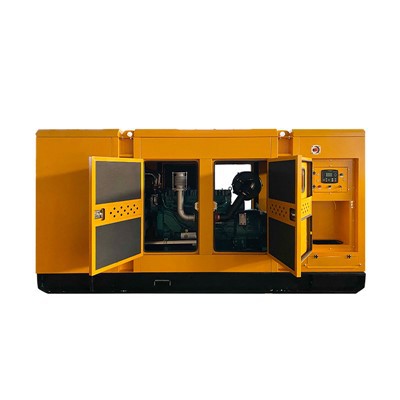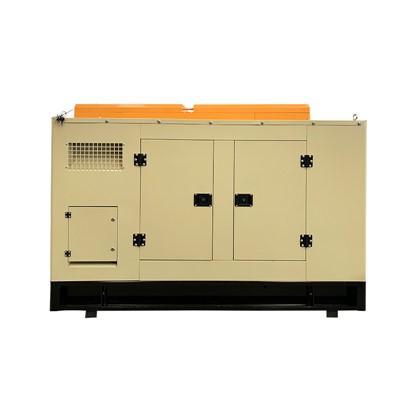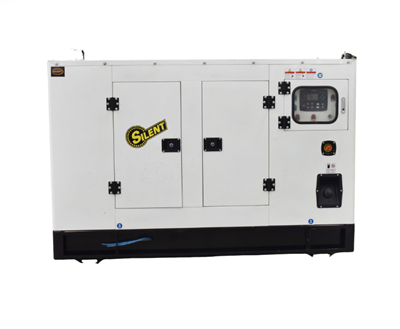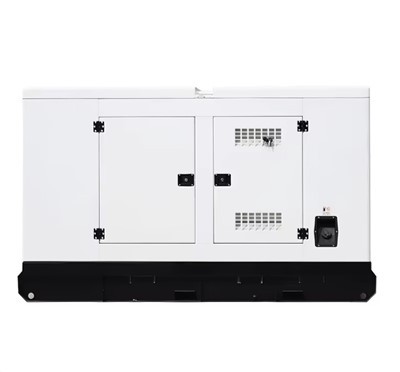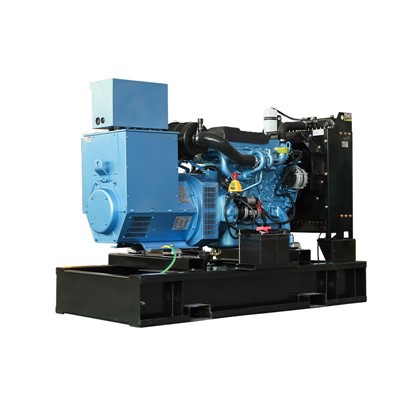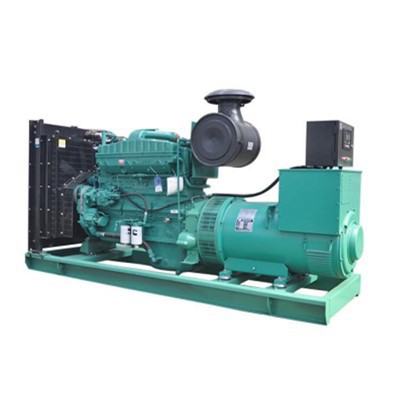
As a provider of Quiet Home Generators, I often encounter questions from customers regarding the maintenance requirements of these essential devices. A quiet home generator is a valuable investment, offering peace of mind during power outages and ensuring that your home remains comfortable and functional. In this blog post, I will delve into the key maintenance requirements for a quiet home generator, providing you with the information you need to keep your generator in optimal condition.
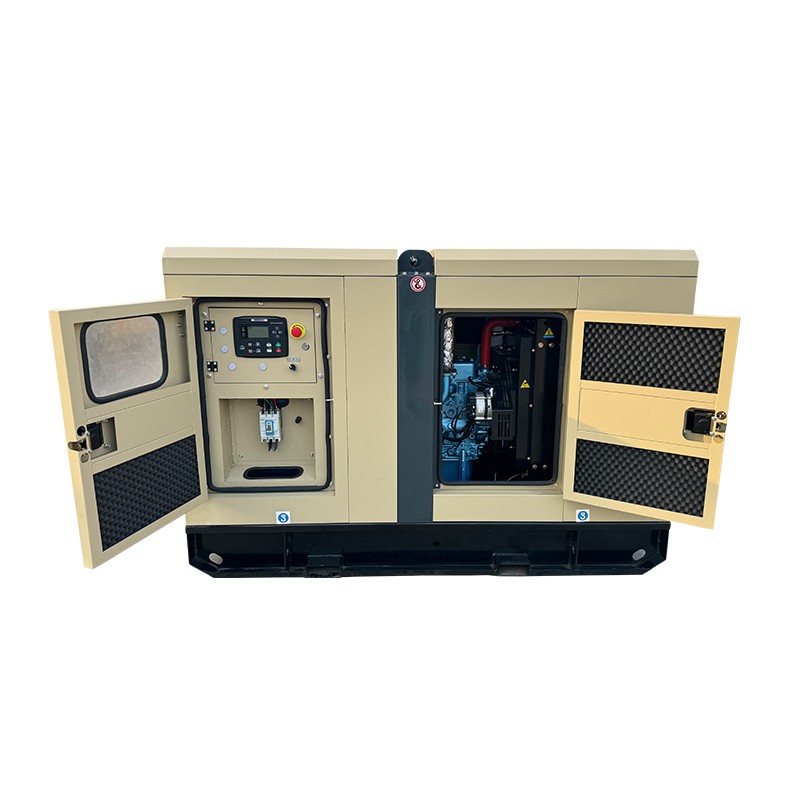
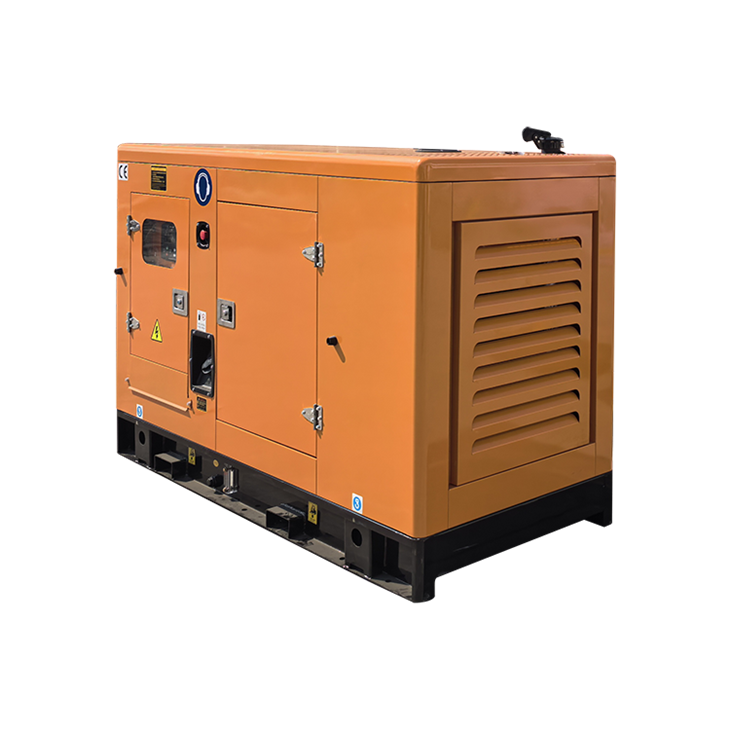
Regular Inspections
Regular inspections are crucial for the proper functioning of your quiet home generator. These inspections should be conducted at least once a month, or more frequently if the generator is used frequently. During an inspection, you should check the following components:
- Oil Level: Just like a car engine, a generator's engine requires oil to lubricate its moving parts. Check the oil level using the dipstick and add oil if necessary. Make sure to use the type of oil recommended in the generator's manual.
- Coolant Level: If your generator has a liquid-cooled engine, check the coolant level in the radiator. Low coolant levels can cause the engine to overheat, leading to damage.
- Fuel Level: Ensure that the generator has an adequate supply of fuel. If you use gasoline, check for any signs of contamination or degradation. Diesel generators require regular fuel filter changes to prevent clogging.
- Air Filter: A dirty air filter can restrict airflow to the engine, reducing its performance and efficiency. Check the air filter regularly and replace it if it is dirty or clogged.
- Battery: Inspect the battery for any signs of corrosion or damage. Clean the battery terminals with a wire brush and apply a thin layer of petroleum jelly to prevent corrosion. Check the battery's charge level and recharge it if necessary.
- Belts and Hoses: Look for any signs of wear or damage on the belts and hoses. Replace any belts that are cracked, frayed, or loose, and check the hoses for leaks or cracks.
- Exhaust System: Inspect the exhaust system for any signs of damage or leaks. A damaged exhaust system can release harmful gases into your home, posing a serious health risk.
Maintenance Schedule
In addition to regular inspections, your quiet home generator should follow a maintenance schedule recommended by the manufacturer. This schedule typically includes tasks such as oil changes, filter replacements, and spark plug inspections. Here is a general maintenance schedule for a quiet home generator:
- Oil Change: Change the oil every 50 - 100 hours of operation or at least once a year, whichever comes first. Use the type of oil recommended in the generator's manual.
- Oil Filter Replacement: Replace the oil filter every time you change the oil. A clean oil filter helps to keep the engine lubricated and free of contaminants.
- Fuel Filter Replacement: Diesel generators require regular fuel filter replacements. Replace the fuel filter every 100 - 200 hours of operation or as recommended by the manufacturer.
- Air Filter Replacement: Replace the air filter every 100 - 200 hours of operation or more frequently if the generator is used in a dusty environment.
- Spark Plug Inspection and Replacement: Check the spark plugs every 100 - 200 hours of operation. Replace the spark plugs if they are worn or damaged.
- Battery Maintenance: Keep the battery charged and clean. Replace the battery every 3 - 5 years or as recommended by the manufacturer.
- Coolant System Maintenance: If your generator has a liquid-cooled engine, flush and refill the coolant system every 2 - 3 years or as recommended by the manufacturer.
Professional Servicing
While regular inspections and maintenance can help to keep your quiet home generator in good condition, it is also important to have it serviced by a professional at least once a year. A professional technician can perform a thorough inspection of the generator, identify any potential problems, and perform any necessary repairs or adjustments. Professional servicing can also help to extend the lifespan of your generator and ensure that it operates safely and efficiently.
Importance of Maintenance
Proper maintenance of your quiet home generator is essential for several reasons:
- Reliability: A well-maintained generator is more likely to start and run reliably when you need it. Regular maintenance helps to prevent breakdowns and ensures that your generator is ready to provide power during an outage.
- Safety: A poorly maintained generator can pose a serious safety risk. A damaged exhaust system can release carbon monoxide, a colorless and odorless gas that can be fatal. Regular maintenance helps to ensure that your generator operates safely and that all safety features are functioning properly.
- Efficiency: A properly maintained generator operates more efficiently, using less fuel and producing less emissions. This can save you money on fuel costs and reduce your environmental impact.
- Longevity: Regular maintenance can extend the lifespan of your generator, saving you money in the long run. By taking care of your generator, you can avoid costly repairs and replacements.
Additional Resources
If you are interested in learning more about quiet home generators or need assistance with maintenance, I recommend visiting the following links:
- Industrial Power Diesel Generator: This link provides information about industrial - grade diesel generators, which are known for their reliability and power output.
- Silent Power Generators: Here, you can find more details about silent power generators, which are designed to operate quietly, making them ideal for home use.
- Silent Box Genset: This page offers information on silent box gensets, which are enclosed generators that provide additional noise reduction.
Conclusion
In conclusion, a quiet home generator requires regular maintenance to ensure its reliability, safety, efficiency, and longevity. By following a regular inspection and maintenance schedule, having your generator serviced by a professional, and using the recommended parts and fluids, you can keep your generator in optimal condition. If you have any questions or need further assistance with the maintenance of your quiet home generator, please do not hesitate to contact us. We are here to help you make the most of your investment and ensure that your home is always prepared for a power outage. Whether you are a new generator owner or looking to upgrade your existing system, we can provide you with the guidance and support you need. Reach out to us to start a conversation about your power needs and explore how our quiet home generators can meet them.
References
- Generator Manufacturer's Manuals
- Industry Standards for Generator Maintenance