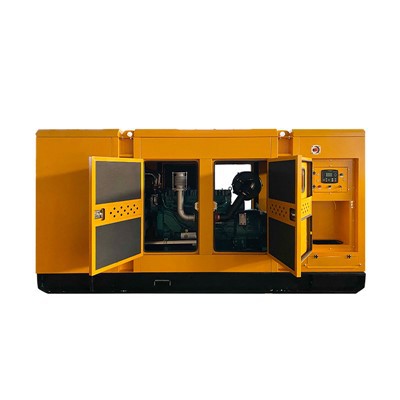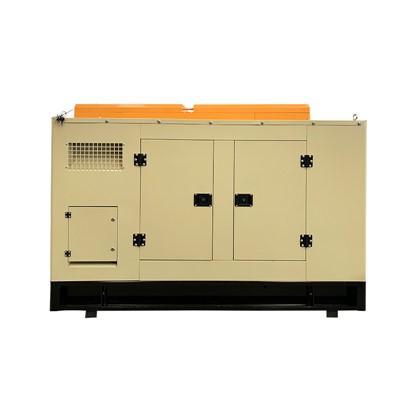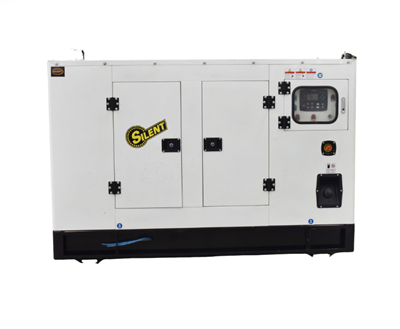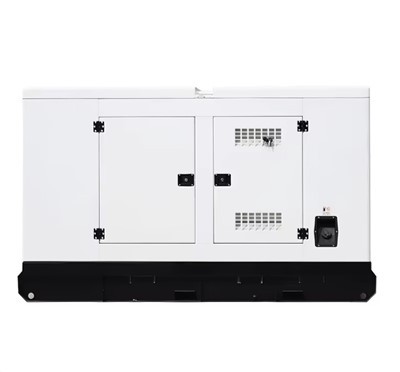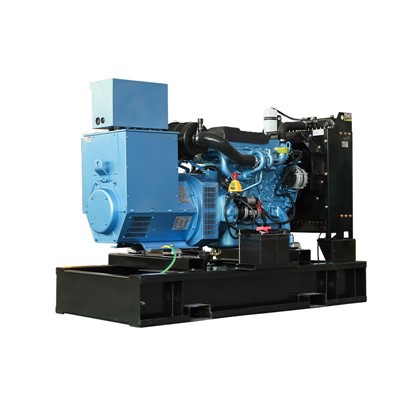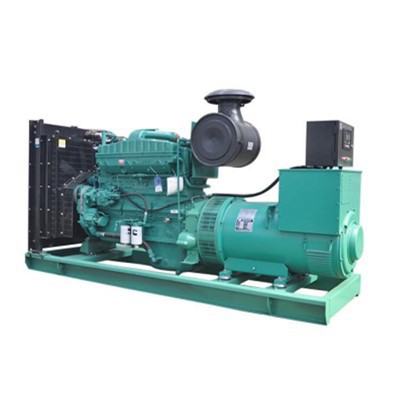
Hey there! I'm a supplier of diesel generator sets, and today I'm gonna take you on a deep - dive into the starting system of a diesel generator set.
Why the Starting System Matters
First off, let's talk about why the starting system is such a big deal. A diesel generator set is like a trusty backup power knight when the main power goes down. But it can't spring into action by itself! That's where the starting system comes in. It's the very first domino in the chain that gets the whole generator set up and running to provide that much - needed electricity. Whether you're in a hospital where power is crucial for life - saving equipment or in a small business that can't afford to lose data during a blackout, a reliable starting system on your Genset Diesel Generator Set is a must - have.
Types of Starting Systems
Electric Starting System
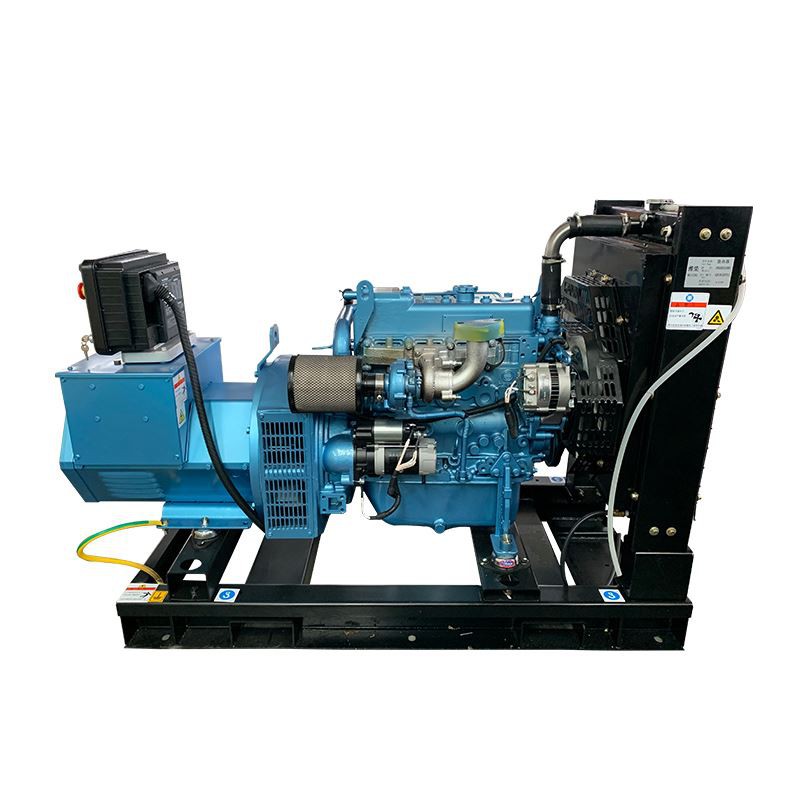
The electric starting system is one of the most common ones out there. It's like the key in your car. You turn it, and the engine roars to life. In a diesel generator set, it works pretty much the same way. There's a battery, usually a hefty 12 - or 24 - volt one. This battery stores electrical energy. When you hit the start button (either on a control panel or remotely), the battery sends a surge of electricity to the starter motor.
The starter motor is a powerful little beast. It meshes with the flywheel of the diesel engine. Once engaged, it cranks the engine, which means it starts rotating the engine's crankshaft. As the crankshaft turns, it moves the pistons up and down in the cylinders. This movement creates the right conditions for the diesel fuel to be injected and ignited. One great thing about electric starting systems is that they're fast and relatively easy to use. They're also highly reliable as long as the battery is in good condition. However, if the battery is dead or the electrical connections are loose, the electric starting system won't work, leaving you in the dark.
Pneumatic Starting System
Now, let's move on to the pneumatic starting system. This one uses compressed air to get the diesel engine going. It's like a breath of fresh air for the engine. There's an air compressor that fills up an air storage tank with compressed air. When you initiate the start, a valve opens, and the compressed air rushes into the cylinders of the engine.
The high - pressure air pushes the pistons down, which in turn rotates the crankshaft. It's a bit like using a strong gust of wind to turn a windmill. Pneumatic starting systems are known for their high torque output. This means they can start large - capacity diesel generator sets with ease. They're also less affected by cold weather compared to electric starting systems. But they do require more maintenance. You've got to keep an eye on the air compressor, the storage tank, and the valves to make sure there are no leaks or malfunctions.
Hydraulic Starting System
The hydraulic starting system is a bit of an underdog but has its own charm. It works by using hydraulic fluid under high pressure. There's a hydraulic pump that builds up pressure in a hydraulic accumulator. When it's time to start the generator, a valve is opened, and the high - pressure hydraulic fluid is directed to a hydraulic motor.
The hydraulic motor then converts the fluid's energy into mechanical energy, which rotates the engine's flywheel. Hydraulic starting systems are very reliable and can provide high starting torque. They're also suitable for wet or dusty environments. However, the components of a hydraulic starting system can be quite expensive, and the system itself is more complex to install and maintain.
Components of a Starting System
Batteries (for Electric Systems)
As I mentioned before, in an electric starting system, the battery is a star player. It needs to have enough capacity to provide the necessary electrical current to the starter motor. You've got to take good care of your batteries. Regularly check the electrolyte levels (if it's a lead - acid battery), keep the terminals clean, and make sure it's properly charged. A weak or dead battery can be a real pain in the neck, as it'll prevent your Genset Generator from starting.
Starter Motor
The starter motor is the muscle of the electric starting system. It has to be powerful enough to turn the engine over. It's made up of a series of coils and gears. The gears engage with the flywheel, and the coils create a magnetic field that makes the motor spin. Over time, the starter motor can wear out, especially if it's used frequently. You might notice a grinding noise when you try to start the generator if the starter motor is on its last legs.
Air Compressor and Tanks (for Pneumatic Systems)
In a pneumatic starting system, the air compressor is responsible for filling up the air storage tank. The tank needs to be strong enough to hold the compressed air at high pressure. You've got to check for leaks in the compressor, the tank, and the air lines regularly. If there's a leak, the pressure in the system will drop, and the generator might not start.
Hydraulic Pump and Accumulator (for Hydraulic Systems)
For a hydraulic starting system, the hydraulic pump is like the heart. It pumps the hydraulic fluid into the accumulator, which stores the energy. The accumulator needs to be in good condition to maintain the pressure. Any damage to the pump or the accumulator can lead to a failure in the starting system.
Maintenance of the Starting System
Maintenance is key to keeping your starting system in top shape. For electric starting systems, as I said, check the batteries and the starter motor regularly. You can use a battery tester to see if the battery is holding a charge. Clean the terminals with a wire brush to remove any corrosion.
In pneumatic systems, listen for any hissing sounds that could indicate a leak. Check the air compressor's oil level and the condition of its filters. For hydraulic systems, monitor the hydraulic fluid level and look for any signs of leaks. Replace the hydraulic filters as recommended by the manufacturer.
Conclusion
So, there you have it, a rundown of the starting system of a diesel generator set. Whether it's an electric, pneumatic, or hydraulic system, each has its own pros and cons. But when all is well, they all do one crucial job: getting your diesel generator set up and running when you need it most.
If you're in the market for a reliable diesel generator set with a top - notch starting system, we've got you covered. Our Automatic Standby Generator offers a seamless starting experience, ensuring that you never have to worry about power outages again. If you're interested in learning more or purchasing a generator, feel free to reach out and start a procurement discussion. We're here to help you find the perfect generator for your needs.
References
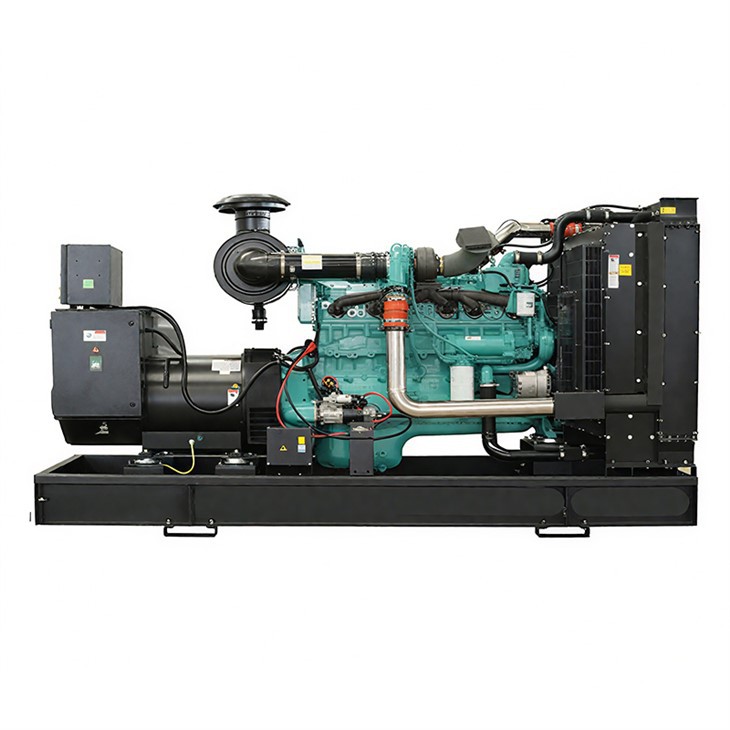
- Diesel Generator Handbook
- Principles of Power Generation Systems